Essential Guide to the French Eye Needle in Modern Surgery
Wiki Article
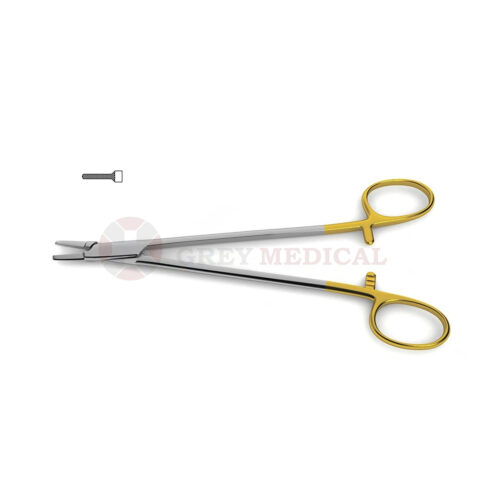
Surgeons rely on a vast array of specialized tools to perform delicate procedures with precision. Among these, the french eye needle stands out as a critical instrument designed for efficiency and ease of use in the operating room. Understanding the mechanics and advantages of this specific needle type can significantly impact surgical outcomes and suturing speed.
What Makes the French Eye Unique?
Unlike standard surgical needles that require tedious threading, a french eye needle features a unique open-eye design. This distinct construction includes a small slit or spring mechanism at the end of the needle eye. This allows surgeons to snap the suture material directly into the eye rather than threading it through a tiny hole.
This design innovation addresses a common frustration in fast-paced surgical environments. When time is critical, struggling to thread a needle can cause unnecessary delays. The spring eye mechanism ensures that the suture remains securely in place during tissue penetration, yet allows for rapid re-threading if the suture inadvertently slips out.
Key Advantages in Surgical Procedures
The primary benefit of using this instrument is efficiency. In procedures where multiple sutures are required quickly, the ability to "pop" the thread into the needle saves valuable seconds. This is particularly useful in trauma surgery or situations where visibility is compromised.
Furthermore, the french eye needle reduces the risk of suture fraying. Because the thread is not being forced through a tight eyelet in the traditional manner, the integrity of the suture material is preserved. This leads to stronger knots and more reliable wound closure, which is paramount for patient recovery.
Applications Across Medical Disciplines
While versatile, these needles are often preferred in general surgery and soft tissue repair. Their design accommodates various suture materials, from silk to catgut, making them adaptable to different tissue types. Whether a surgeon is closing a superficial wound or repairing internal fascia, the reliability of the instrument plays a huge role.
Surgeons often choose this needle type when working with braided sutures, which can be notoriously difficult to thread through standard closed-eye needles. The snap-on feature eliminates the friction and frustration associated with thicker suture materials.
GreyMedical®: Committing to Surgical Excellence
High-quality instruments are only as good as their manufacturing standards. GreyMedical® is a privately owned medical technology company dedicated to innovation and excellence in the craft of surgical instruments. Their commitment ensures that every french eye needle they produce meets rigorous standards for sharpness, durability, and reliability.
By focusing on the specific needs of medical professionals, GreyMedical® delivers tools that enhance surgical precision. Their version of this classic instrument combines traditional utility with modern metallurgical advancements, ensuring the needle maintains its integrity even during complex procedures.
Conclusion
The right tools can make all the difference in the operating room. The french eye needle remains a staple in surgical kits because it solves practical problems related to time and ease of use. Its clever design allows for rapid threading without sacrificing security, making it an invaluable asset for surgeons worldwide. As companies like GreyMedical® continue to refine these essential tools, medical professionals can perform their life-saving work with greater confidence and efficiency.
Report this wiki page